

 7 Jan 2026
A recent landmark judgment by the Dust Diseases Tribunal has awarded a Sydney tunnel worker $2.4 million compensation after he contracted silicosis and fibrosis from damaging airborne hazards.
Silicosis diagnosis after 27 years of working in tunnels
The award is the highest ever received in Australia for a dust-related injury – $860,000 in general damages, $11,000 for loss of expectation of life, and $1.54 million for the loss of earning capacity for the 53-year-old.
In his judgment, Judge Andrew Scotting concluded that without a lung transplant, the tunnel worker would be incapacitated for work by 65, and reach respiratory failure by 70. (Please see Bennett v Workers Compensation Nominal Insurer and Ors [2025] NSWDDT 5.)
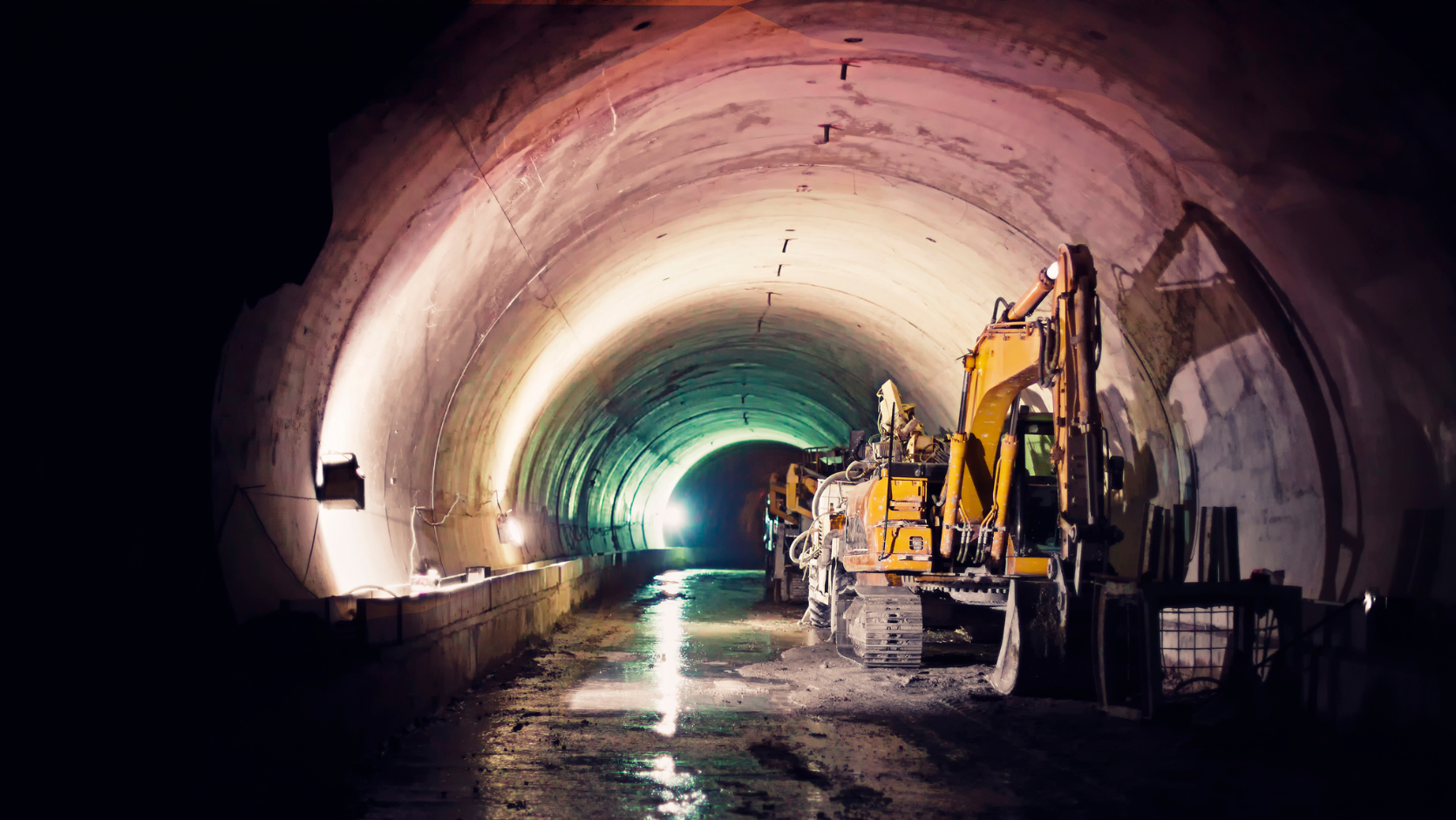
The non-smoking man had been working for 27 years on the road and rail tunnels being built under Sydney and Melbourne before he was diagnosed with the deadly lung disease in 2020.
What is the Dust Diseases Tribunal?
The Dust Diseases Tribunal of NSW is a specialised court that was established by the Dust Diseases Tribunal Act 1989 to handle damages claims for dust-related illnesses like asbestosis and silicosis, and ensure early hearings for plaintiffs with dust-related diseases.
The Act gives the tribunal exclusive jurisdiction to hear cases and determine claims for damages where exposure to dust, arising from negligence and breach of statutory duty, may have caused death or personal injury.
The tribunal implemented mechanisms to allow claims made by seriously ill plaintiffs to be heard sometimes days or hours after a Statement of Claim is lodged, as previously plaintiffs had often died before their cases could be heard.
Case could be the first of many for tunnel workers
The defendants in the case were some of the nation’s largest contracting companies, including CPB Contractors, Lendlease, John Holland and Thiess.
The judgment could be just the first of many for injured tunnel workers, because the judge strongly criticised the failure of the companies in not adequately protecting workers from the airborne dangers of digging tunnels.
This was the first case brought by a tunnel worker diagnosed with silicosis and it could have major consequences for thousands of workers employed in the intense tunnelling projects under Sydney and Melbourne.
Egregious breach of duty by companies
The judge said the companies “knew or ought to have known that by exposing the plaintiff to large quantities of RCS (respirable crystalline silica) that he was at risk of serious illness and death”. The judge said the employers could have used several “high order” safety measures.
“The overwhelming cause of the plaintiff’s condition was the egregious breaches of duty committed by each of the plaintiff’s employers… for most of the exposure period the plaintiff was provided with a paper face mask, which for the reasons given, provided little, if any, protection,” the judgment stated.
Employers warned to ensure safety improvements implemented
The judgment should be a warning to employers that much better safety improvements were required, and that superior safety technology already existed.
It follows earlier revelations of serious health risks for tradespeople cutting engineered stone for kitchens, which led to a ban on slabs containing more than one per cent silica.
Curtin University predicted up to 10,000 people in Australia would develop silicosis from being exposed to the deadly dust in the workplace. (Please see 10,000 Aussie workers set to develop lung cancer from silica dust: study, Curtin University, 12 July 2022.)
Those exposed to airborne particles should contact a personal injury lawyer
Anybody who believes they may have been exposed to harmful airborne particles should contact a lawyer specialising in personal injury to find out whether they might be eligible for compensation.
Experienced personal injury lawyers know the health checks that would be needed, as well as recording exposure in the workplace as evidence for a claim through the Dust Diseases Tribunal.
The tribunal has shown through this landmark case that it can deliver reasonable compensation for the disastrous health effects of workplace exposure to deadly airborne silica.