


 7 Jul 2026
Polygamy – being married to more than one person at a time – is illegal in Australia. However, polyamory – being intimately involved with more than one person at a time with the knowledge and consent of all involved – is quite legal.
What is “polyamorous”?
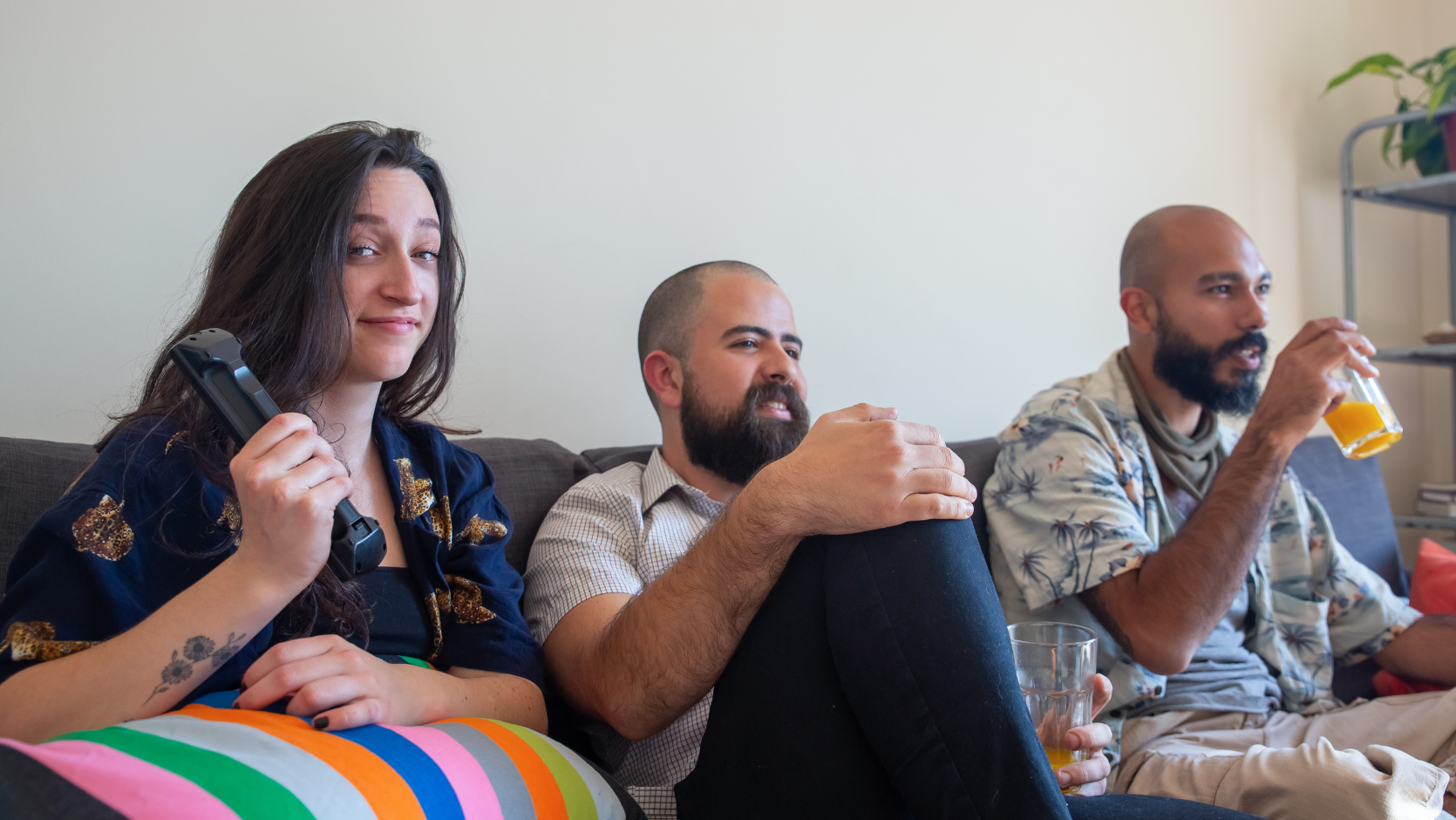
A polyamorous relationship can involve a married couple with a de facto partner or partners, or it can be multiple de facto partners living as a consenting group, called a polycule. When three people live in a relationship it is called a throuple.
The changing structure of relationships has presented a number of legal challenges within the Federal Circuit and Family Court of Australia; including the recognition of relationships, parenting arrangements and property and financial matters.
Is polyamory legal in Australia?
While the Family Law Act 1975 (“the Act”) does not formally recognise polyamorous relationships, it does accommodate non-monogamous de facto relationships if certain criteria are met, as set out in section 4AA of the Act.
What is a de facto relationship?
A person is in a de facto relationship with another person if:
- the persons are not legally married to each other; and
- the persons are not related by family; and
- having regard to all the circumstances of their relationship, they have a relationship as a couple living together on a genuine domestic basis.
The circumstances a court will consider when determining the existence of a de facto relationship, set out in section 4AA(2), include the duration of the relationship, the degree of financial interdependence, the ownership, use and acquisition of their property; and the care and support of children. This is not an exhaustive list.
Court has rejected claim of concurrent de facto relationships
In the case of Jones & Michetti [2022] FedCFamC1F 771, the Applicant entered into a long-term relationship with Ms B. In about 2003, the Applicant and Ms B commenced a relationship with the Respondent. The parties also had sexual relationships with others.
Through the period from 2005 to 2018, the Applicant and Respondent spent time, socialised and travelled overseas together, with Ms B sometimes joining them. The Applicant subsequently claimed that she was in two de facto relationships at the same time over a period of 16 years.
The court concluded that while there was no doubt that the parties were in a long-term relationship and that the Applicant and Respondent cared about each other, their relationship did not develop to the point that the parties were “living together on a genuine domestic basis”. Consequently the court was unable to establish the existence of a de facto relationship.
The court further noted at paragraph 20: “Whether a de facto relationship, as defined, exists will depend on an assessment of all of the circumstances of the relationship, each to be given the weight the court thinks appropriate”.
Polyamorous relationship claims in property proceedings
If you are exiting a polyamorous relationship and want to ask the Federal Circuit and Family Court to determine a property settlement and make orders in relation to a particular person or persons, you need to prove in the first instance that you were in a de facto relationship with each of those persons. This means all the normal criteria for establishing de facto status must be met.
In circumstances where parties are able to establish that they were in a de facto relationship, they are entitled to seek a financial or property adjustment in the Federal Circuit and Family Court of Australia.
It is important to note that the court requires parties to complete a number of pre-action procedures prior to commencing proceedings. This includes inviting the parties to mediation with the aim of resolving the matter amicably outside of the court process.
Assessing contributions and ownership in polyamorous relationships
In financial and property matters, while the application of the law remains the same, as stipulated in section 79 of the Act for married parties and section 90SM for de facto parties, the added complexity of its application in polyamorous relationships comes from the involvement of multiple partners.
It may be helpful to determine who owns what in the relationship, how much each person contributed to the assets and liabilities of the relationship, and any future needs of the parties.
In one matter, “Jenny” claimed she was in two simultaneous relationships, one with her husband Frank and one with her long-term partner Tom. Frank and Tom were both aware of the other relationship. Jenny’s relationships with Frank and Tom both involved sexual intimacy, joint assets and emotional closeness.
When the relationship with Tom broke down, Jenny sought recognition of this second relationship as a de facto relationship, so that she could seek property orders pursuant to the Family Law Act.
If the court isn’t satisfied that you are in a de facto relationship, then you need to seek legal advice regarding alternative avenues outside the family law jurisdiction.
Parenting arrangements after a polyamorous relationship ends
In determining how the courts deal with parenting matters in polyamorous relationships, the overarching principle is what is in the best interests of the child. This is set out in section 60CC of the Act.
While determining parental responsibility and parenting arrangements can be more complicated with multiple parties, the principle and how it is applied remains the same, regardless of any relationship structure.
The complexities associated with the changing structure of relationships highlight the importance of speaking with an experienced family lawyer if you are considering separation.